News

What Makes a DC To AC Inverter Worth Choosing for Reliable Power?

2026-03-12 0 Leave me a message

Article Summary

A DC To AC Inverter is often the missing link between stored battery energy and the electricity people actually need for daily work, travel, backup protection, and off-grid convenience. Yet many buyers struggle with the same issues: unstable output, compatibility concerns, battery drain, overheating, noise, and uncertainty about what specifications really matter.

This article explains how a DC To AC Inverter works, what pain points it helps solve, which features truly improve user experience, and how to choose the right model for home backup, RV systems, mobile workstations, solar applications, and commercial use. It also introduces the value of working with an experienced manufacturer such as Ningbo Kosun New Energy Co.,Ltd. when consistent quality and dependable support matter.

Outline

  • Understanding the role of a DC To AC Inverter
  • Common frustrations buyers face before purchasing
  • Core functions that improve safety, output stability, and battery management
  • Practical selection advice for different industries and usage scenarios
  • Common buying mistakes and how to prevent them
  • Answers to frequently asked questions

Why Does a DC To AC Inverter Matter in Real Use?

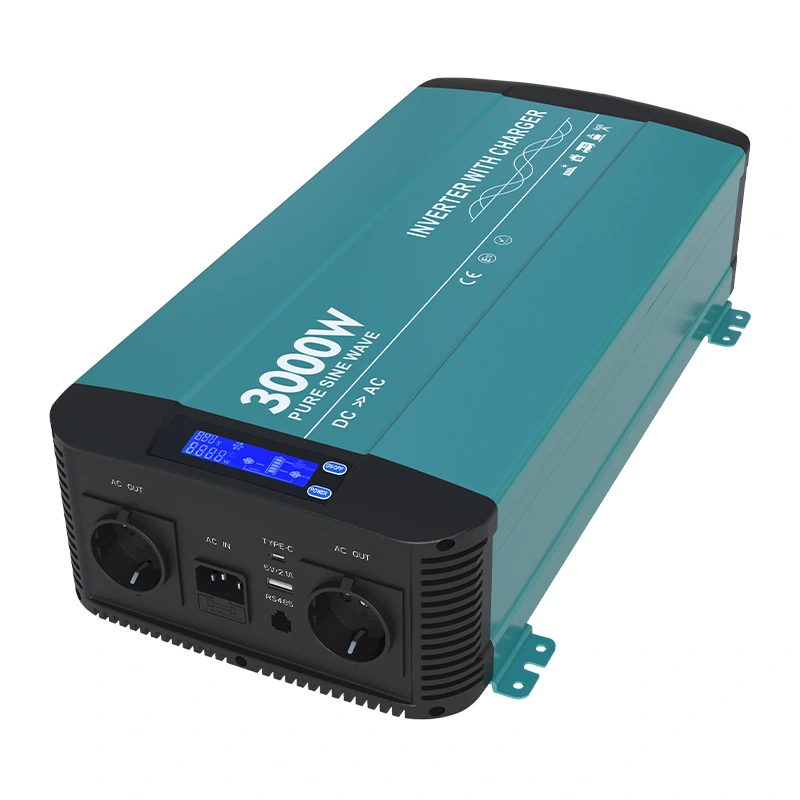
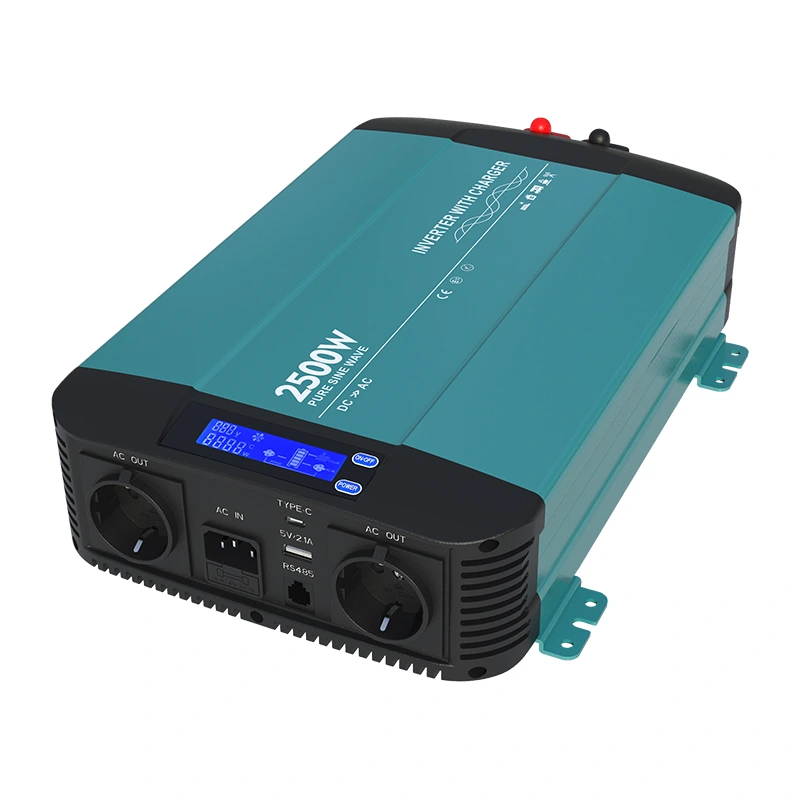
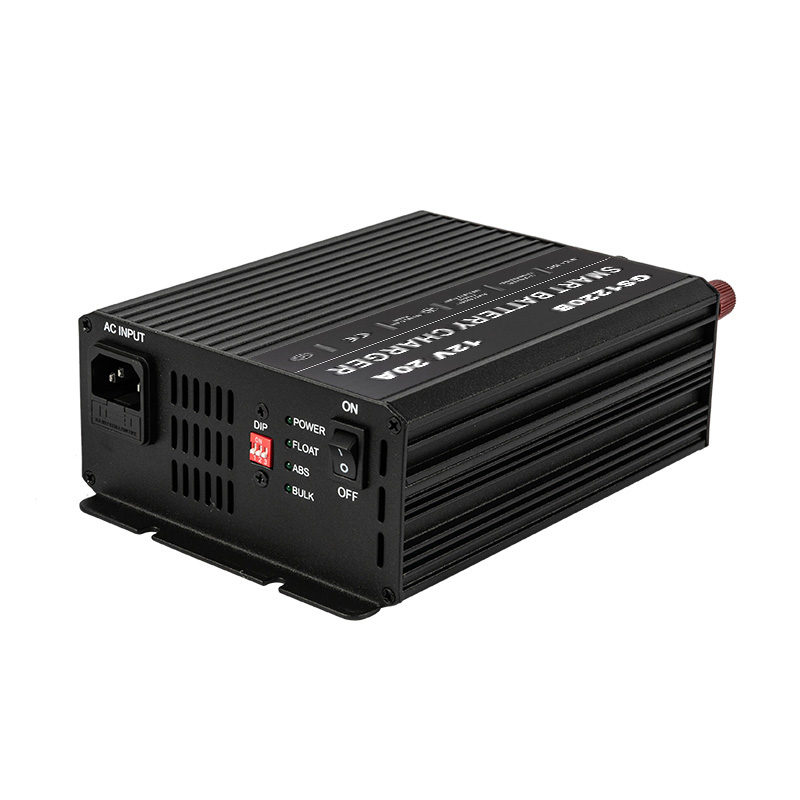
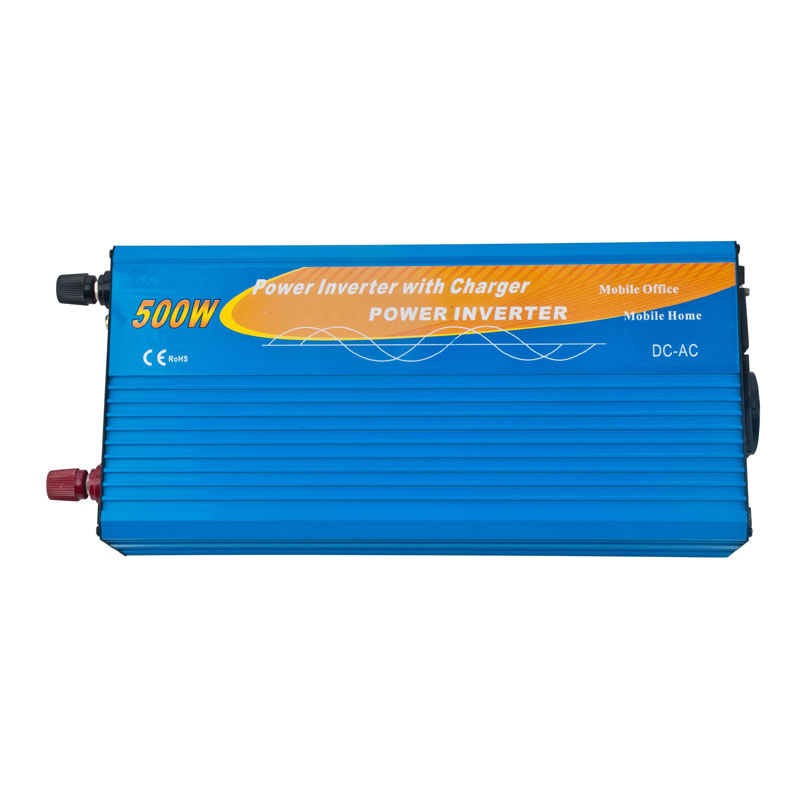
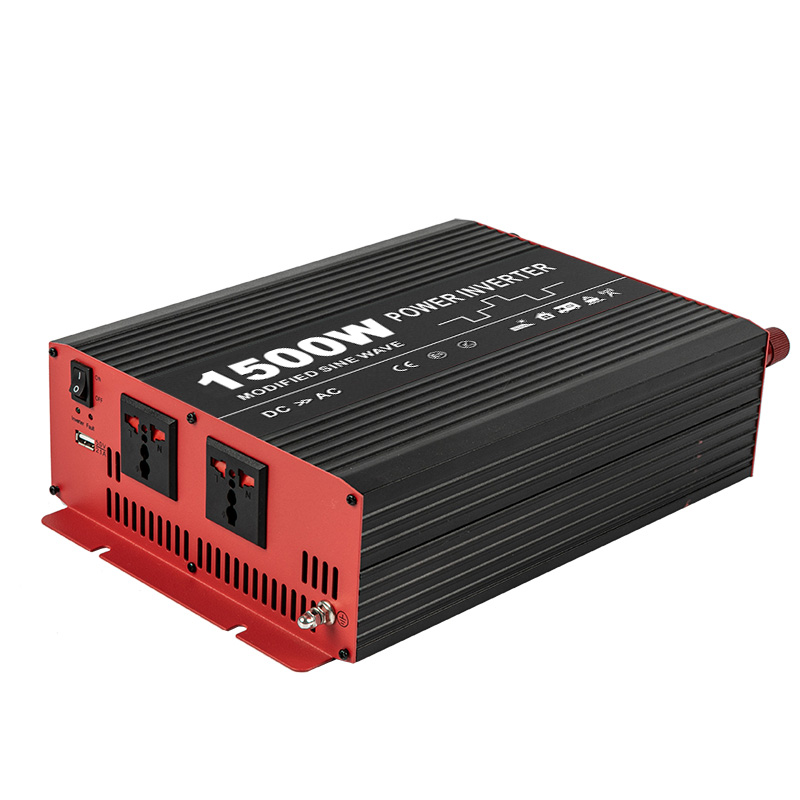
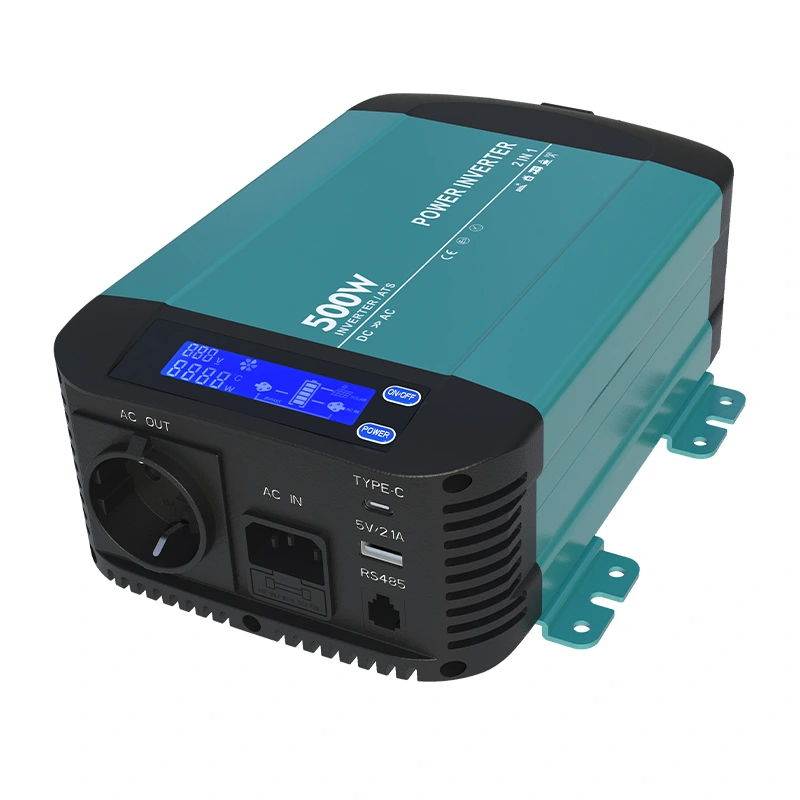
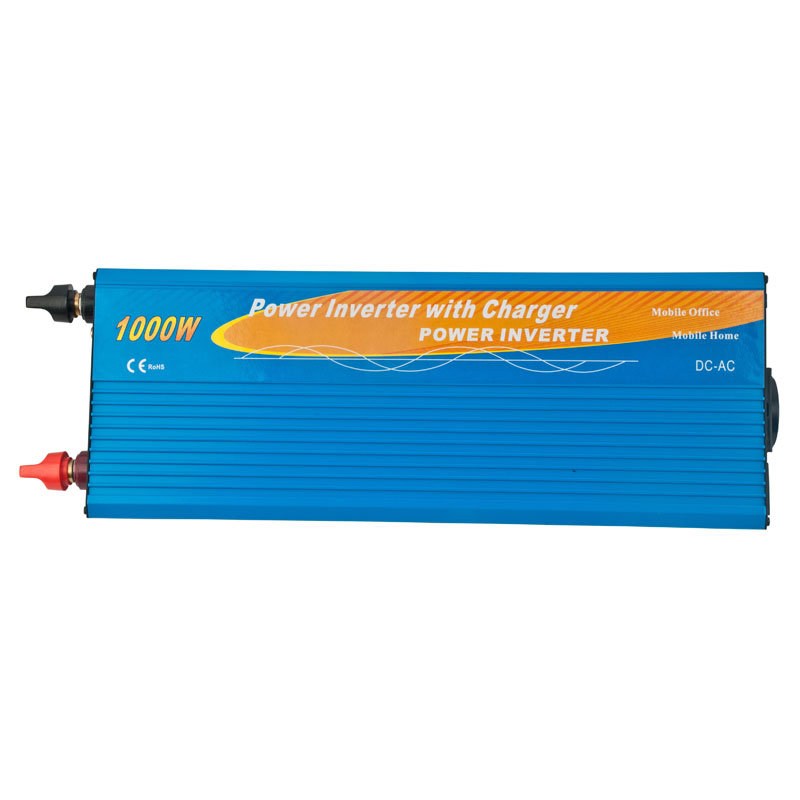
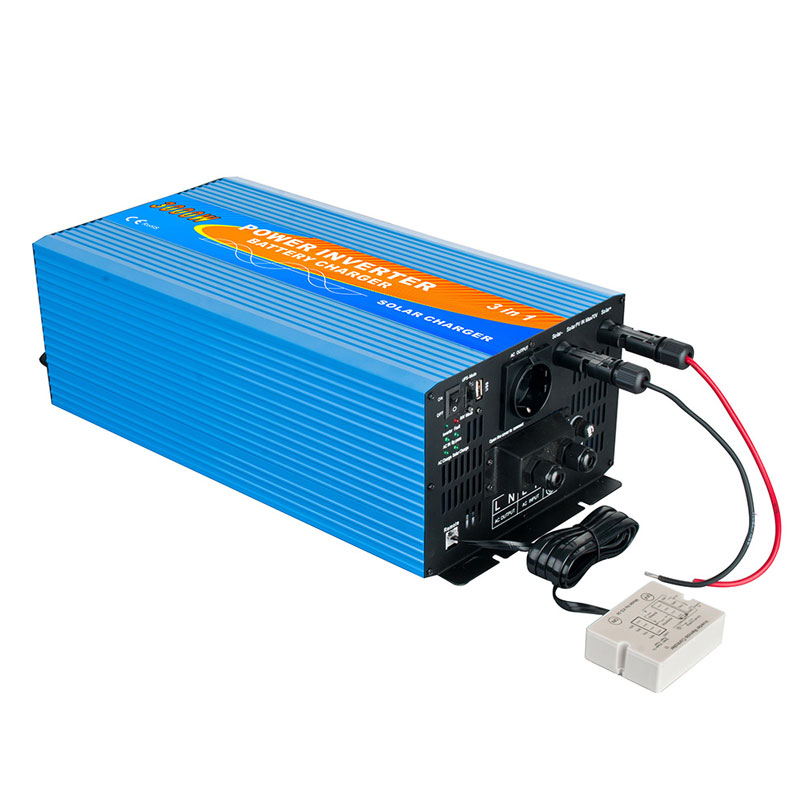
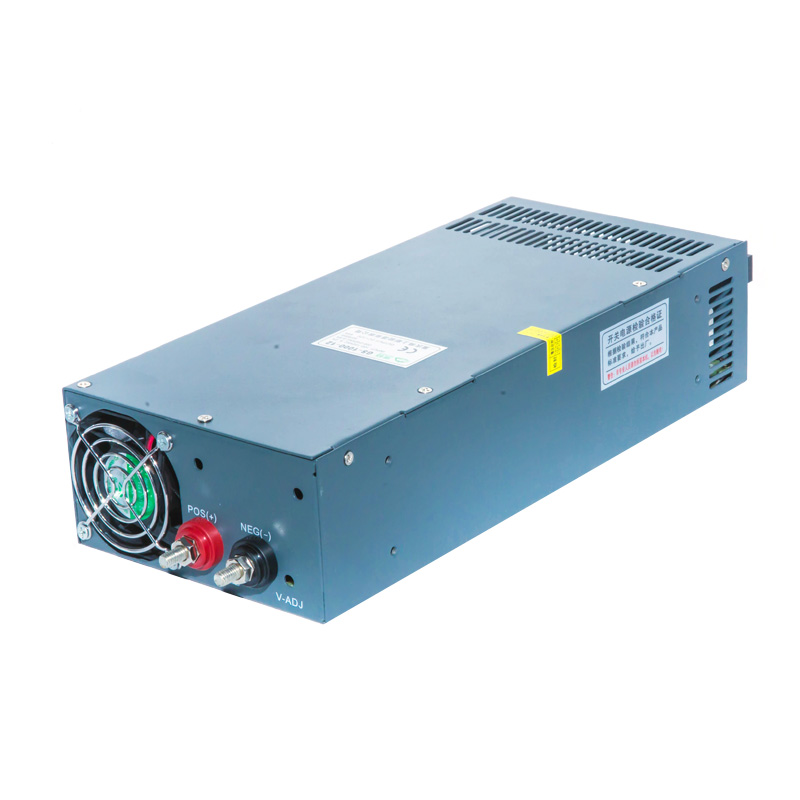
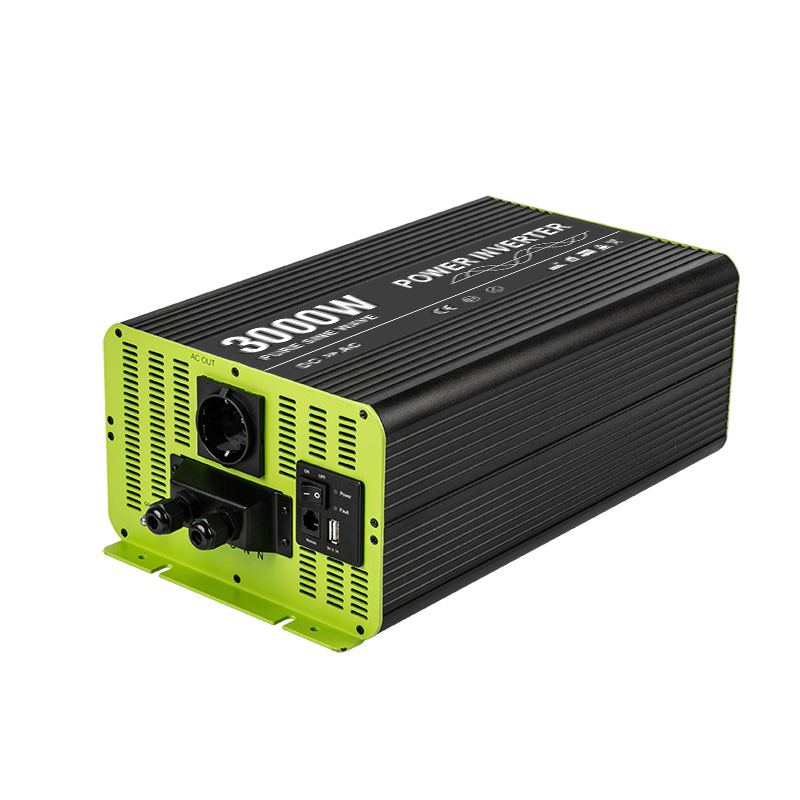
DC To AC Inverter

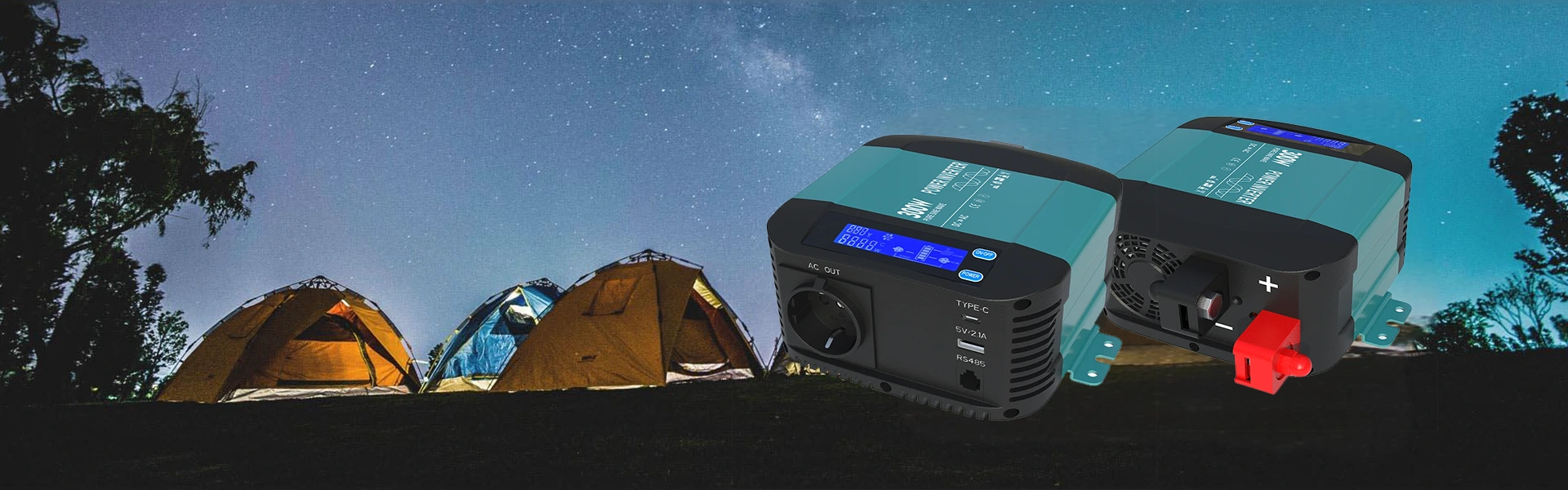
People usually start looking for a DC To AC Inverter when a practical problem appears. Maybe they need backup power for essential equipment during outages. Maybe they want to run appliances in an RV, on a boat, or at a remote job site. Maybe they are building a battery-based energy system and need a stable way to convert stored power into electricity that common devices can use.

On paper, the idea looks simple: convert direct current from a battery into alternating current for household or commercial equipment. In real life, however, the buying decision becomes much more complicated. Users worry about whether their inverter can handle startup surges, whether the waveform is suitable for sensitive electronics, whether cooling is sufficient for long operating hours, and whether protection functions are robust enough to reduce the risk of damage.

This is exactly why product quality matters. A well-designed DC To AC Inverter does more than convert power. It supports continuity, protects equipment, improves usability, and helps users feel more confident when power conditions are less than ideal.

Which Customer Problems Does It Actually Solve?

Many buyers are not just shopping for a specification sheet. They are trying to fix a real operational headache. That is why the best product pages and technical articles should address pain points clearly rather than simply listing wattage figures.

  • Power interruption anxiety — Users need essential loads to keep running during grid failures, travel, or field operations.
  • Device compatibility concerns — Buyers worry about whether laptops, tools, chargers, pumps, communication devices, or household appliances will run smoothly.
  • Battery protection worries — Poor power management can shorten battery life and increase replacement costs.
  • Heat and reliability issues — Continuous operation creates thermal stress, especially in enclosed or mobile environments.
  • Safety risks — Reverse polarity, short circuits, and over-temperature situations can become expensive problems very quickly.
  • Confusing model selection — Many customers are unsure whether they need pure sine wave, built-in charging functions, transfer capability, or a higher surge margin.

A strong DC To AC Inverter solution should reduce these concerns instead of shifting them back to the buyer. That is why details such as thermal control, charging logic, visible status indication, and protection design are not minor extras. They are part of the purchasing decision.

What Features Should Buyers Pay Attention To?

When evaluating options, buyers often focus too heavily on wattage alone. That can lead to disappointment later. The better approach is to assess how the unit behaves under real working conditions. Several functions are especially useful because they directly affect daily reliability and ease of operation.

Feature Why It Matters User Benefit
LED indicator lights Shows working or charging status clearly Helps users identify operating conditions quickly without guesswork
Temperature-controlled cooling fan Adjusts cooling according to thermal demand Supports efficiency, reduces unnecessary noise, and improves reliability
3-stage battery charging Manages charging through bulk, absorption, and float stages Promotes healthier battery maintenance and more stable system behavior
Reverse polarity protection Helps prevent damage when battery connection is wrong Reduces installation risk and costly mistakes
Short circuit protection Protects the system during abnormal conditions Improves safety and helps avoid damage to connected equipment
Over-temperature protection Monitors internal heat buildup Supports longer service life and safer continuous use
Battery type selector Allows better matching with battery characteristics Improves charging suitability for different battery setups

These functions matter because real buyers do not live inside a controlled testing lab. They use equipment in changing temperatures, while traveling, under time pressure, or in remote environments. A DC To AC Inverter that is easier to monitor and safer to operate can make a meaningful difference in user experience.

How Can Different Application Needs Be Compared?

No single inverter fits every job equally well. The better question is not simply “Which inverter is best?” but “Which inverter is right for the way I actually use power?” That is where application-based comparison becomes useful.

Application Scenario Main Concern Recommended Focus
Home backup Running essentials during outages Stable output, safety protections, suitable runtime planning
RV and camping Mobility, battery life, compact installation Cooling efficiency, manageable power draw, dependable monitoring
Solar energy systems Battery coordination and energy conversion Charging logic, battery compatibility, long-term stability
Marine use Vibration, limited space, electrical consistency Durability, protective design, operational reliability
Commercial mobile work Tool startup loads and daily operating pressure Appropriate power margin, thermal control, robust protection

This is also where supplier capability becomes important. Buyers often prefer working with a manufacturer that offers multiple categories rather than a single fixed solution. Ningbo Kosun New Energy Co.,Ltd. presents a broad power product lineup related to inverter systems, which is useful for buyers comparing different configurations or planning a product range for distribution.

How Should You Choose the Right Inverter?

Choosing the right DC To AC Inverter starts with load planning, not impulse buying. A model that looks attractive on paper may still be the wrong fit if the actual load profile is misunderstood. A smarter selection process usually includes the following steps:

  • List all devices you want to power — Include both running wattage and startup surge where relevant.
  • Decide how long the system must operate — Runtime expectations affect battery planning just as much as inverter size.
  • Consider your environment — Continuous use in hot, mobile, or enclosed spaces places more importance on cooling and protection design.
  • Think about charging needs — Some buyers benefit from integrated charging functions instead of treating charging as a separate issue.
  • Review battery matching — Voltage, chemistry, and charging behavior all influence performance.
  • Leave a safety margin — Buying too close to your maximum load often creates stress and instability later.

Another good habit is to think beyond the first order. If you are a distributor, project contractor, or equipment integrator, support quality matters after purchase as much as product choice before purchase. That is why many professional buyers prefer suppliers that can communicate clearly, offer stable manufacturing, and support ongoing cooperation rather than just ship a unit and disappear.

What Mistakes Should Buyers Avoid?

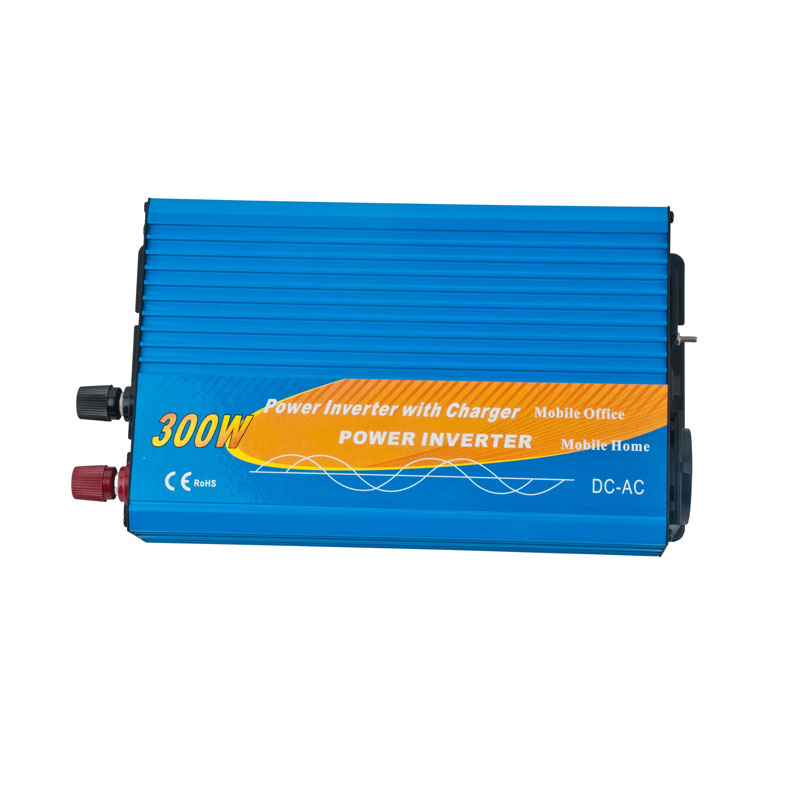
DC To AC Inverter

Some of the most common buying mistakes are surprisingly easy to avoid once they are made visible. Here are the ones that tend to cause the most regret:

  • Choosing by price alone — A lower initial price can become expensive if performance is unstable or service life is short.
  • Ignoring protection functions — Safety design is not an optional luxury for real-world use.
  • Undersizing the inverter — This often results in shutdowns, stress, or unreliable startup for connected loads.
  • Forgetting battery behavior — Inverter performance and battery condition are closely linked, especially in frequent-use systems.
  • Assuming every model suits sensitive devices equally — Output quality and system design still matter.
  • Not asking about long-term cooperation — For wholesale and project buyers, supplier consistency matters as much as the product itself.

A carefully chosen DC To AC Inverter should feel like a dependable part of the system, not a point of uncertainty. Buyers who evaluate stability, protections, charging behavior, and manufacturer credibility usually make stronger long-term decisions.

FAQ

1. Can a DC To AC Inverter run household appliances?

Yes, many applications involve powering household or portable equipment from battery-based energy sources. The key is matching the inverter capacity and output characteristics to the actual appliances being used.

2. Why is cooling design important in an inverter?

Heat is one of the most common causes of reduced performance and shortened service life. A temperature-controlled cooling fan helps the inverter respond more effectively to changing load conditions.

3. Why should buyers care about charging stages?

Charging behavior affects battery health, runtime stability, and total system efficiency. A 3-stage charging process supports more controlled battery management across different phases.

4. Is reverse polarity protection really necessary?

Yes. Wiring mistakes can happen during installation or maintenance. Reverse polarity protection helps reduce the risk of equipment damage caused by incorrect battery connection.

5. What should distributors or project buyers look for in a supplier?

They should look for product consistency, a clear range of models, responsive communication, and a manufacturer that understands practical application requirements instead of offering generic one-size-fits-all answers.

Why Work With a Trusted Manufacturer?

For buyers seeking a dependable DC To AC Inverter, product design is only part of the decision. Reliable manufacturing, practical communication, and long-term cooperation also matter. Ningbo Kosun New Energy Co.,Ltd. is positioned in this field with a range of inverter-related products for customers who value stable supply and product options suited to different use cases.

Whether you are sourcing for distribution, project integration, energy storage support, vehicle applications, or backup power planning, the right inverter should solve problems instead of creating new ones. A carefully selected model can improve usability, reduce operational stress, and support more confident energy management from day one.

Ready to Find the Right Solution?

If you are comparing models, planning a project, or looking for a reliable manufacturing partner for DC To AC Inverter products, now is the right time to take the next step. Tell us about your power requirements, application scenario, and target specifications, and we will help you identify a more suitable solution for your business. Contact us today to discuss product details, customization options, and a cooperation plan built around your needs.

Back to top

Related News
Leave me a message
X
We use cookies to offer you a better browsing experience, analyze site traffic and personalize content. By using this site, you agree to our use of cookies. Privacy Policy
Reject Accept