News

What Are the Main Differences Between PWM and MPPT Solar Controllers

2025-12-17

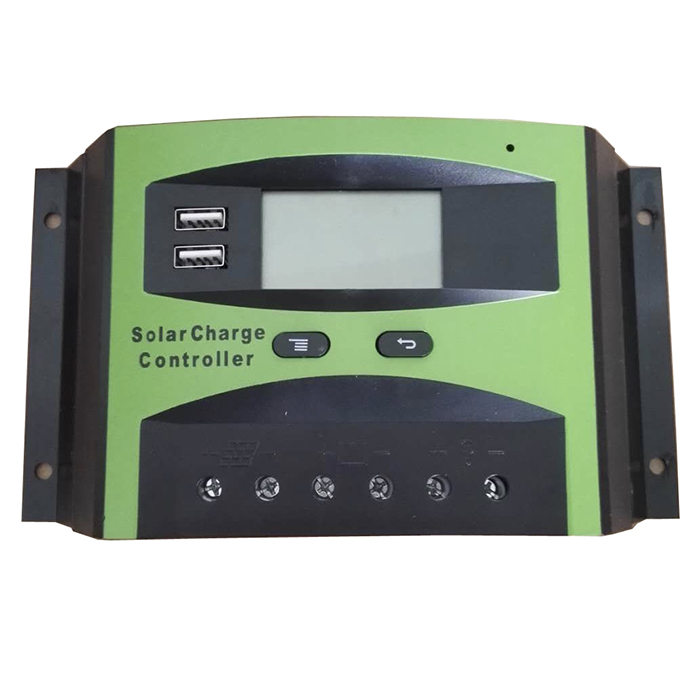
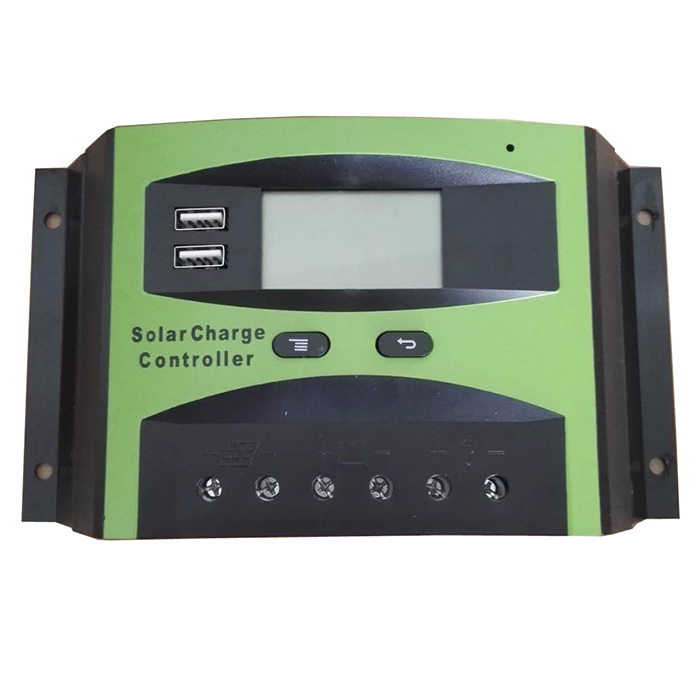
If you’re planning or upgrading a solar power system, one question likely on your mind is: what are the main differences between PWM and MPPT solar controllers? As someone who has worked in the renewable energy sector for years, I’ve seen firsthand how choosing the right controller can make or break a system’s efficiency. At Kosun, we specialize in providing solutions that address this very confusion, helping customers like you maximize their energy harvest. Understanding the core distinctions between a PWM Solar Controller and an MPPT (Maximum Power Point Tracking) controller is the first step toward a smarter investment. Let’s break down these differences in a way that tackles common customer pain points—like wasted potential and unexpected costs—head-on.

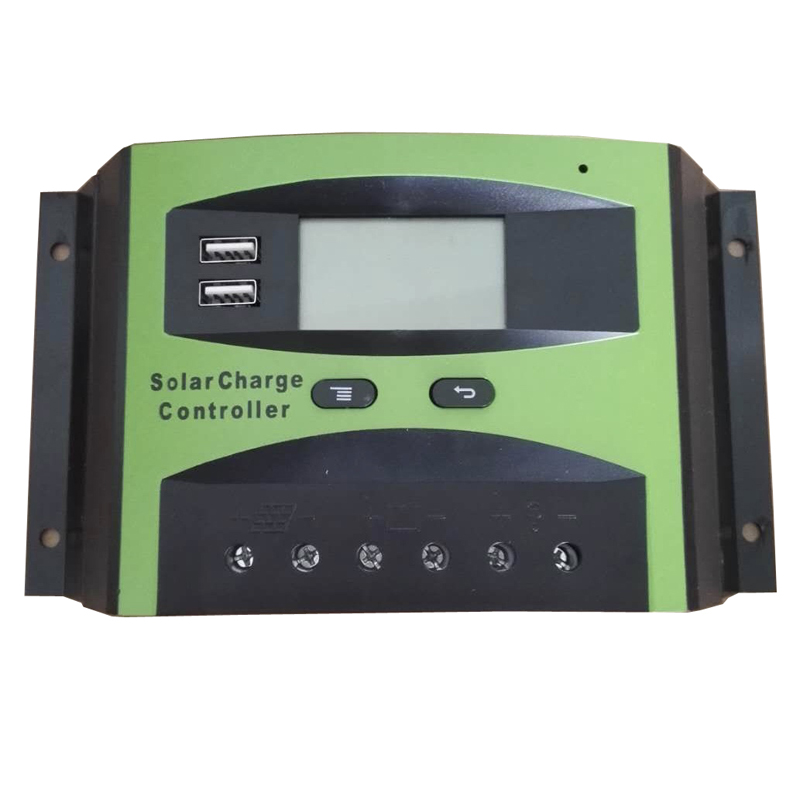
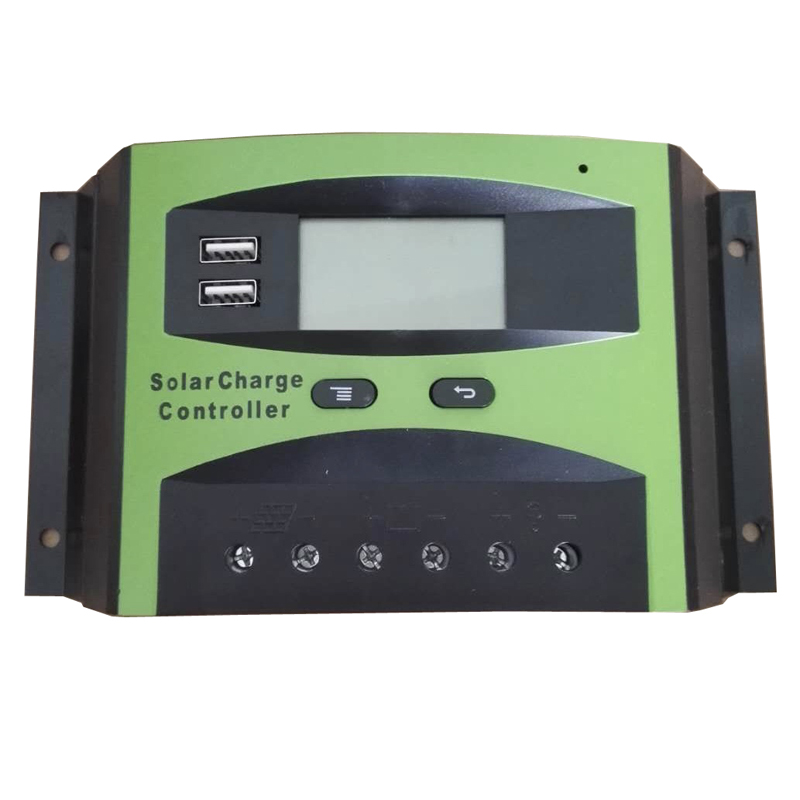
PWM Solar Controller

How Do PWM and MPPT Controllers Work at Their Core

The fundamental difference lies in their operation. A PWM Solar Controller essentially acts as a switch between your solar panels and the battery. It connects the panel directly to the battery until it reaches a specific voltage, then rapidly switches on and off (pulses) to maintain a safe charging state. Think of it like a diligent guard, ensuring the battery isn’t overcharged. In contrast, an MPPT controller is more like a sophisticated manager. It constantly calculates the optimal voltage and current at which your panels can produce maximum power (the Maximum Power Point) and then converts any excess voltage into additional current for the battery. This means it can tap into energy that a standard PWM Solar Controller would simply waste, especially in less-than-ideal conditions.

Which Controller Offers Superior Efficiency and Performance

This is where the rubber meets the road for most users. Efficiency directly impacts how much sun you convert into usable power.

  • MPPT Controllers typically boast 90-98% efficiency. They excel in scenarios where the panel voltage is significantly higher than the battery voltage (like with 60-cell or 72-cell panels), during cold weather, or when sunlight is variable.

  • A PWM Solar Controller, while robust and reliable, operates at a lower efficiency, generally around 70-80%. It performs best when the panel’s voltage closely matches the battery voltage.

Here’s a quick comparison table highlighting key performance aspects:

Feature PWM Solar Controller MPPT Solar Controller
Typical Efficiency 70-80% 90-98%
Best For Smaller systems, warmer climates, matched voltages Larger systems, colder climates, higher voltage panels
Energy Harvest Gain Baseline Up to 30% more than PWM
Complexity & Cost Lower Higher

For instance, our Kosun MPPT series can deliver up to 30% more energy from the same panels compared to a basic PWM Solar Controller, a difference that directly shortens your payback period.

What Are the Key Product Specifications I Should Compare

Looking at specs can be overwhelming. Let’s simplify it with a focus on what matters. When evaluating a PWM Solar Controller, key parameters are often straightforward. However, for a comprehensive solution, our Kosun Smart MPPT Controllers offer advanced features that solve real-world problems:

  • Wide Voltage Input Range: Our units accept a very high input voltage (e.g., 150V), allowing you to wire panels in series for less power loss over long distances—a common headache in large installations.

  • Advanced Tracking Algorithms: They don’t just track the maximum point; they intelligently scan for it under partial shading or rapid weather changes, ensuring you never leave precious power on the table.

  • Integrated Communication: Remote monitoring via an app means you can check performance and receive alerts from anywhere, addressing the pain point of system invisibility.

While a basic PWM Solar Controller is a solid component, modern MPPT technology, as championed by Kosun, provides the data and adaptability that today’s energy-conscious users demand.

Which Solar Controller Is Truly Right for My System

So, how do you decide? If your system is small, your panels and battery voltages are similar, and your budget is tight, a quality PWM controller is a reliable workhorse. However, if you aim to maximize every bit of your investment, have higher voltage panels, face cold temperatures, or simply want the most advanced and efficient system possible, an MPPT controller is undoubtedly the superior choice. It’s about solving the core pain points of wasted energy and uncertain returns.

At the heart of it, your choice impacts your system’s daily yield and long-term value. We at Kosun are committed to helping you navigate this decision with clarity. If you’re still unsure which technology aligns best with your project goals or want to explore our range of high-efficiency controllers, we invite you to contact us directly. Share your specific requirements with our team, and let us help you build a solar system that performs to its fullest potential. Reach out today for a personalized consultation

Related News
X
We use cookies to offer you a better browsing experience, analyze site traffic and personalize content. By using this site, you agree to our use of cookies. Privacy Policy
Reject Accept